Kenya, Somalia named top offenders as journalist arrests surge across Africa
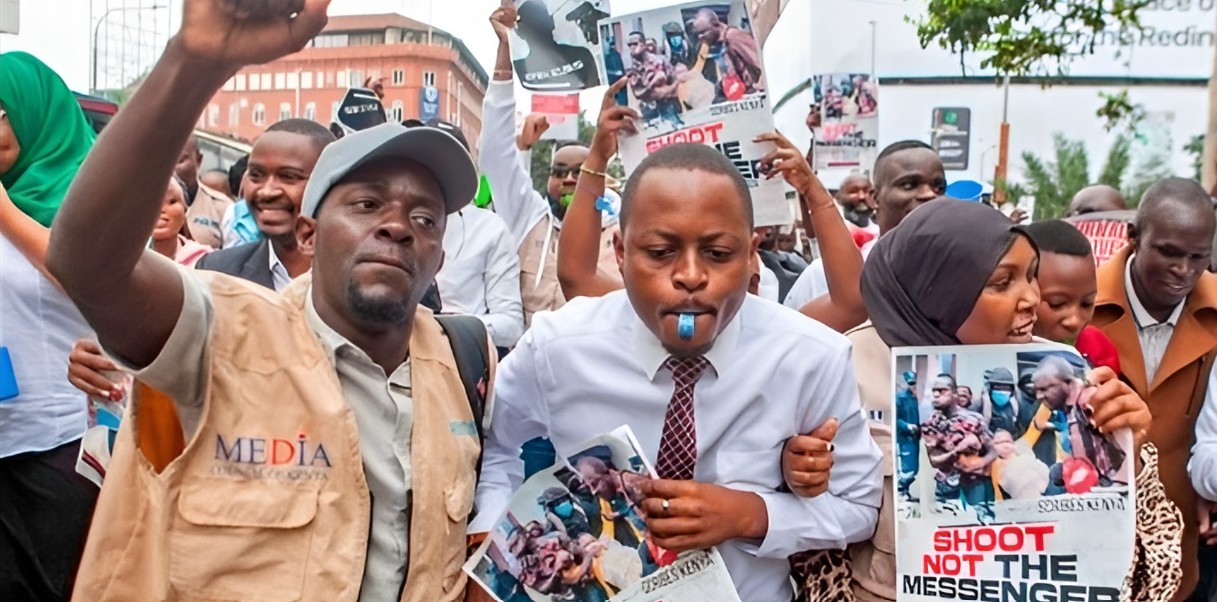
A CIVICUS report says at least 180 journalists were detained across sub-Saharan Africa in 2025, with Somalia and Kenya leading arrests and deadly crackdowns on protests shrinking civic and media space.
Journalists, human rights defenders (HRDs) and protesters across Africa faced severe repression in 2025, as governments increasingly used arrests, attacks and other tactics to silence dissent, a new report by CIVICUS has found.
According to the report, Kenya was among the countries where state violence and intimidation were particularly acute, with journalists especially at risk during protests and while covering politically sensitive stories.
More To Read
- ICJ-Kenya appoints Demas Kiprono as executive director
- Rights experts sound alarm on AI’s potential to target activists, undermine electoral integrity
- Amnesty report shows at least 128 killed, 3,000 arrested in 2024–2025 Gen Z protests
- UN human rights experts visit Kenya privately amid concerns over crackdowns, civic freedoms
- Why Ruto’s anti-corruption stance is a 'political gimmick' to win public support - Rights defender Peter Kiama
- KNCHR: Killings, disappearances and arbitrary arrests of rights defenders on the rise in Kenya
Across sub-Saharan Africa, at least 33 countries recorded the detention of journalists, while attacks on media workers were documented in at least 16. Detentions were most common in East and the Horn of Africa, with Somalia emerging as the top detainer, followed closely by Kenya and other countries.
“Authorities in countries including the DRC, Somalia and Somaliland continued to arrest journalists as a tactic to intimidate and silence them,” reads the report.
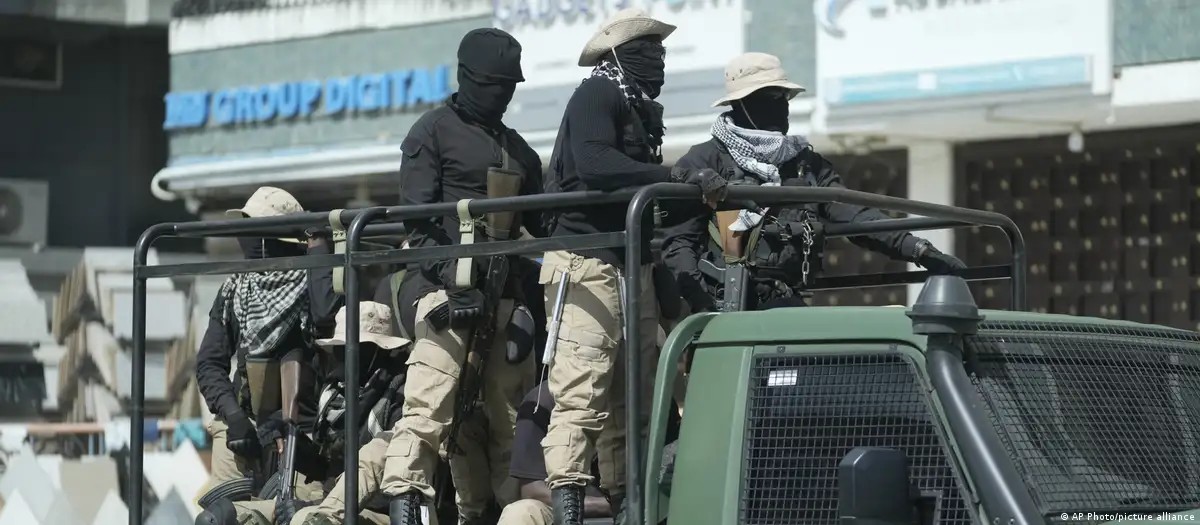
CIVICUS notes that protests over governance, corruption, economic hardship and the state of public services frequently drew violent responses.
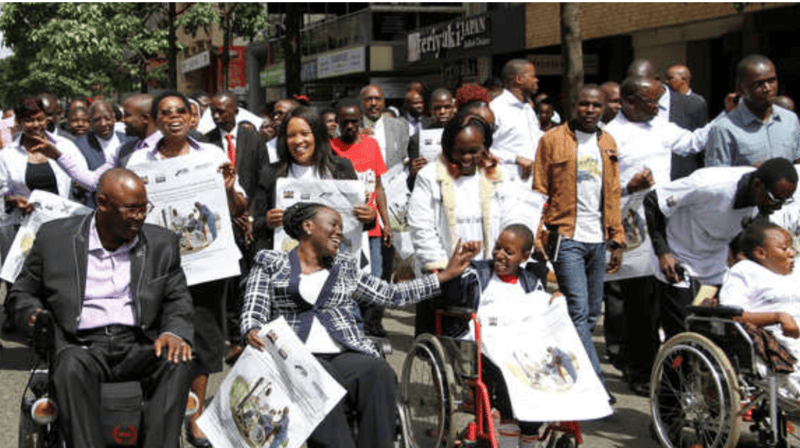
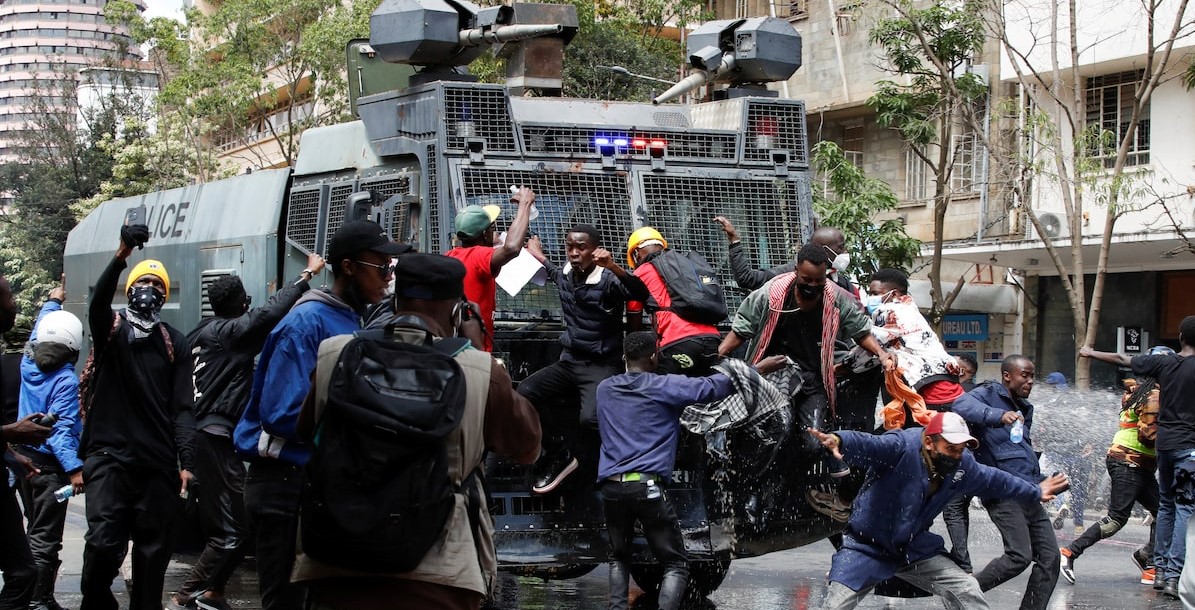 Demonstrators in the Nairobi CBD during Gen Z protests against the Finance Bill in June 2024. (Photo: File)
Kenya’s youth protests crackdown
It highlights that Kenya’s crackdown on youth-led protests commemorating the 2024 demonstrations caused at least 65 deaths, more than 600 injuries and over 1,500 arrests between June and July 2025, with some detainees facing terrorism charges.
The country also saw the arrest of three HRDs — Mark Amiani, Francis Mwangi and John Mulingwa Nzau — in June 2025 following protests over Albert Ojwang’s death.
Ojwang, a blogger and teacher, was arrested over a social media post concerning a senior police official and died in custody the following day from injuries consistent with blunt force trauma, sparking nationwide protests.
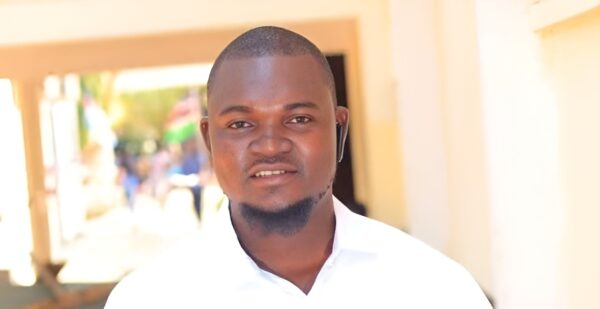 Albert Ojwang who was arrested at his family home in Kakot, Homa Bay County, and ended up dead in police custody in Nairobi. (Photo: File)
Shrinking civic and media space
The report warns that such practices are shrinking civic and media space, creating a climate of fear and undermining the rule of law and human rights protections across the continent.
“Governments should take measures to foster a safe, respectful and enabling environment in which civil society activists and journalists can operate freely without fear of attacks, harassment, intimidation or reprisals, in line with international human rights commitments,” reads the report.
Somalia recorded 70 of the 180 journalist detentions documented across the region. Between January and April 2025 alone, 46 journalists were arrested, two were kidnapped and multiple media outlets were raided.
Security forces targeted reporters covering protests in Mogadishu, including staff from Five Somali TV, Goobjoog Media, Himilo Somali TV, RNN TV, Shabelle TV, Somali Cable TV and SYL TV.
In May 2025, the National Intelligence and Security Agency raided the homes and studios of journalists Mohamed Omar Baakaay and Bashir Ali Shire. CIVICUS says Bashir was blindfolded and arrested, Baakaay’s brother was detained and media equipment was confiscated.
Arrests in DR Congo
In the Democratic Republic of Congo (DRC), arrests continued despite promises to decriminalise press offences. Glody Ndaya of L’Association Congolaise des Femmes Journalistes de la Presse Écrite was arrested on 4 August for alleged defamation and taken to Makala Central Prison without a summons.
The report also says that journalists in M23-controlled eastern DRC faced abductions and intimidation, including the killing of Fiston Wilondja Mukamba, a former Media Monitoring Centre staff member, in Bukavu.
Authorities increasingly used cybercrime and restrictive laws to prosecute online critics. In Niger, six journalists were arrested on 30 October for allegedly distributing documents that could “disturb public order.”
Journalists were also attacked while covering protests in Madagascar, Togo, Mozambique, Ghana, Ethiopia, Lesotho, Liberia, Malawi, Uganda and Zimbabwe.
In Madagascar, journalist Hardi Juvaniah Reny was shot, and photojournalist Alain Rakotondrainabe was struck on the head while covering youth-led anti-government demonstrations. In Togo, French journalist Flore Monteau was detained in June 2025 while filming police actions.
Human rights defenders detained
The report also shows that human rights defenders were detained in at least 25 countries across the region, often to intimidate or silence their work.
“Democracy, environmental and labour rights activists were particularly targeted,” reads the report.
In Guinea, Abdoul Sacko was abducted and tortured in February 2025 for calling for a return to constitutional order. In Mali, Aliou Badra Sacko was held in secret detention for two months. In Burkina Faso, Hermann Yaméogo was briefly abducted and detained by the National Intelligence Agency in July after criticising the military regime online.
Mauritania sentenced activist Ahmed Ould Samba to a year in prison for a Facebook post accusing the president of “racist and corrupt” policies. Togo arrested poet and activist Honoré Sitsopé Sokpor over a critical online poem. Lawyers were also targeted, including Bob Kaben Massouka in the Republic of Congo, Eron Kiiza in Uganda and Mounir Gharbi in Algeria.
Madagascar and Angola also saw deadly responses to demonstrations, with Angola recording at least 30 deaths and hundreds injured during fuel subsidy protests. The Gambia witnessed arrests during peaceful protests against high internet data tariffs, including the detention of rapper Ali Cham and journalist Yusuf Taylor.
Political tensions and elections
CIVICUS notes that political tensions and elections fuelled further repression. In Togo, rapper and activist Aamron was detained and allegedly tortured for nearly a month after posting a video calling for protests. In Cameroon, security forces arrested at least 158 people during protests around the October election, with at least four people killed by live ammunition.
Student and environmental protests also led to arrests. In Uganda, 26 environmental activists were detained between November 2024 and February 2025 for protesting wetland destruction and oil projects. In South Africa, 15 students were arrested during protests over university registration and funding.
The report highlights a growing trend of transnational repression, in which states cooperate to silence critics beyond their borders.
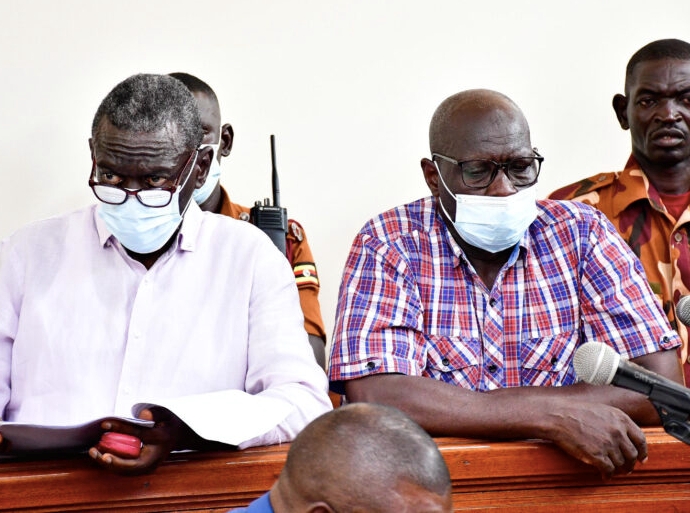 Dr Kizza Besigye and his aide, Hajji Obeid Lutale when they appeared before the Nakawa Chief Magistrates Court in early June. (Photo: Nexusmedia)
’s abduction
Kenya and Uganda were implicated in the abduction of Ugandan opposition leader Kizza Besigye from Nairobi, while suspected Tanzanian military agents allegedly abducted and assaulted Kenyan activist Boniface Mwangi and Ugandan journalist Agather Atuhaire in Dar es Salaam.
Kenya was also criticised for deporting Martin Mavenjina, a senior legal adviser at the Kenya Human Rights Commission, to Uganda, which was widely condemned as a politically motivated action.
Sudan, Comoros, Côte d’Ivoire and Benin were also implicated in targeting exiled dissidents, journalists and activists through abductions, extraditions and prosecutions for critical reporting. Cases cited included Burkinabè activist Alain Christophe Traoré, Beninese journalist Comlan Hugues Sossoukpè and Comorian Abdousalam Ibrahim Mpingou.
The monitoring organisation has called on governments to respect people’s right to protest and express dissent, including that of young people and artists, and to hold perpetrators of abuses accountable.
“Respect the right of people to protest in solidarity with people in the Occupied Palestinian Territories and refrain from arrests, vilification and violence towards HRDs and protesters. Cease conflating legitimate criticism of the state of Israel with antisemitism and extremism,” reads the report.
“Repeal any legislation that hinders the work of civil society and criminalises HRDs, journalists, protesters and members of excluded groups.”
Top Stories Today